English
At Torpoint Nursery and Infant School we provide our children with a high quality English curriculum that gives them the foundations to speak, read and write fluently. We are committed to ensuring our children become enthusiastic and confident readers who read widely and often, for both pleasure and information. We want our children to be successful readers by the time they leave our school and research shows that when phonics is taught in a consistent, systematic way it is the most effective way of teaching young children to read. We believe that confident speakers become confident writers and therefore place a big emphasis on developing oracy skills not just within English but across the curriculum.

|
Phonics and Early Reading Policy 26-27 | [pdf 231KB] |

|
|
|
English Policy 26- 27 | [pdf 139KB] |
|
|
|
English Programme of Study | [pdf 1MB] |
|
|
|
Handwriting Policy 2026-2027 (1) | [pdf 2MB] |
|


Phonics
At Torpoint Nursery and Infant School, we use the Little Wandle Letters and Sounds Revised to plan and provide daily engaging phonics lessons. In phonics, we teach children that the letters of the alphabet represent a different sound, that these can be used in a variety of combinations and are put together to make words. Our children learn to recognise all of the different sounds and combinations that they might see when they are reading or writing.
Our phonics teaching starts in Nursery and follows a very specific sequence that allows our children to build on their previous phonic knowledge and master specific phonic strategies as they move through school.
It is our ultimate aim that EVERY child will leave Torpoint Nursery and Infant School as a confident reader, with a love for reading both for pleasure and to find new information.
How we teach phonics
- In our nursery, the children take part in daily sessions which prepare them with the foundations for phonics. This phase supports the importance of speaking and listening and develops children’s discrimination of sounds, including letter sounds. This phase is all about getting children to listen to sounds around them, including environmental and instrumental sounds. They will also begin learning about rhyme, rhythm and alliteration. The focus is on daily oral blending and language development through high quality stories and rhymes.
- In reception and Y1, children follow the progression within Little Wandle Letters and Sounds Revised programme. Phonics is taught daily and there is a review session on a Friday.
- Phonics starts in reception in week 2 to ensure the children make a strong start.
- By the end of reception, children will have been taught up to the end of phase 4.
- By the end of year 1, children will have been taught up to the end of phase 5.
- In Y2, lessons are taught daily to children where appropriate – following the model of Little Wandle but plugging specific gaps identified through assessment.
- For any children who are at risk of 'falling behind', ‘keep-up’ sessions are delivered following a set model, to address specific reading/writing gaps. These are short, sharp sessions lasting 10 minutes in length and taking place at least three times a week.
Reading practice sessions
- Children across reception, year 1 and year 2 apply their phonics knowledge by reading fully matched decodable boks in small group and individual reading practice sessions.
- Children will read books in a progressive sequence until they can decode unfamiliar words confidently.
Supporting your child with reading at home
Although your child will be taught to read at school, you can have a huge impact on their reading journey by continuing their practice at home.
There are two types of reading books that your child may bring home:
A reading practice book. This will be at the correct phonic stage for your child. They should be able to read this fluently and independetly.
A sharing book. Your child will not be able to read this on their own. This book is for you both to read and enjoy together.
Reading practice book
- This book has been carefully matched to your child’s current reading level. If your child is reading it with little help, please don’t worry that it’s too easy – your child needs to develop fluency and confidence in reading.
- Listen to them read the book. Remember to give them lots of praise – celebrate their success! If they can’t read a word, read it to them. After they have finished, talk about the book together.
Sharing book
- In order to encourage your child to become a lifelong reader, it is important that they learn to read for pleasure. The sharing book is a book they have chosen for you to enjoy together.
- Please remember that you shouldn’t expect your child to read this alone. Read it to or with them. Discuss the pictures, enjoy the story, predict what might happen next, use different voices for the characters, explore the facts in a non-fiction book. The main thing is that you have fun!
If you would like any additonal information on Little Wandles Letters and Sounds Revised, please use the following link:https://www.littlewandlelettersandsounds.org.uk/resources/for-parents/
The resources on this page will help you support your child with saying their phonemes (sounds) and writing their graphemes (letters). There are also useful videos so you can see how your child is taught at school, to be able to confidently support their reading at home.
|
|
autumn-1-sounds | [pdf 2MB] |
|
|
|
autumn-2-sounds | [pdf 1MB] |
|
|
|
spring-1-sounds | [pdf 1002KB] |
|
|
|
little-wandle-full-progression | [pdf 567KB] |
|
|
|
grapheme-mat-phase-2-and-3 | [pdf 1MB] |
|
Reading
It is our ultimate aim to develop children's love and enthusiasm for reading; we want children to see themselves as readers, to have a desire to read for pleasure and to find new information.
Here are just some of the ways in which we develop children's love for reading:
-We have inviting and stimulating reading areas in classrooms and communal areas throughout the school.
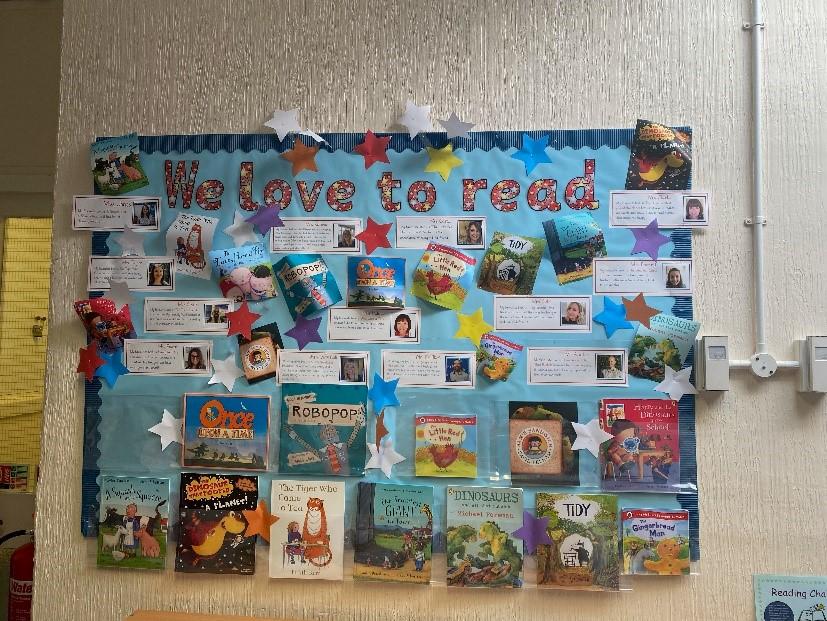
-At the end of each week, every class votes for their 'story of the week', the winning stories are displayed in classrooms. At the end of the month, each class votes for their 'story of the month', these stories are shared on a communal display in the centre of school, for all to see.
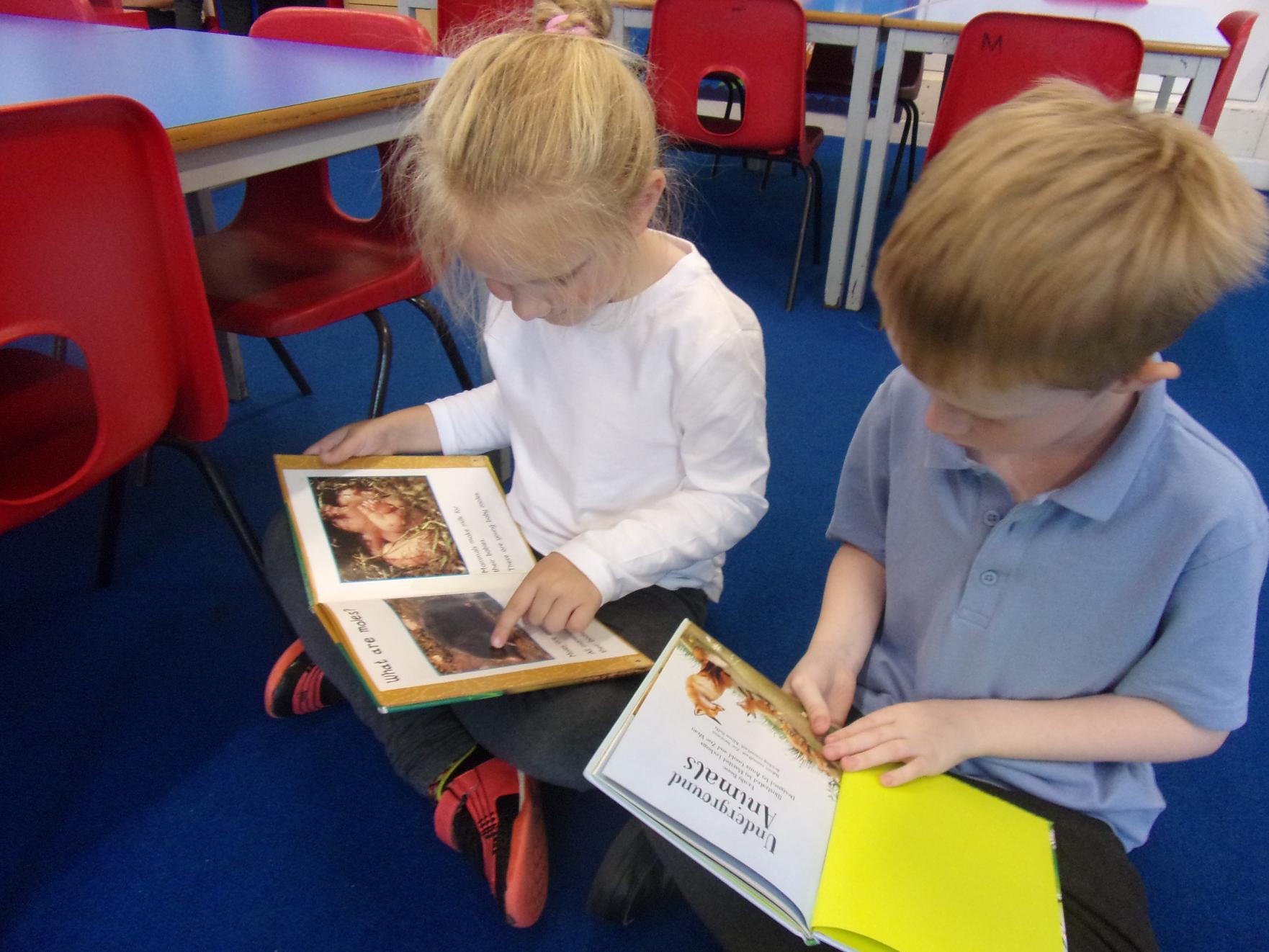
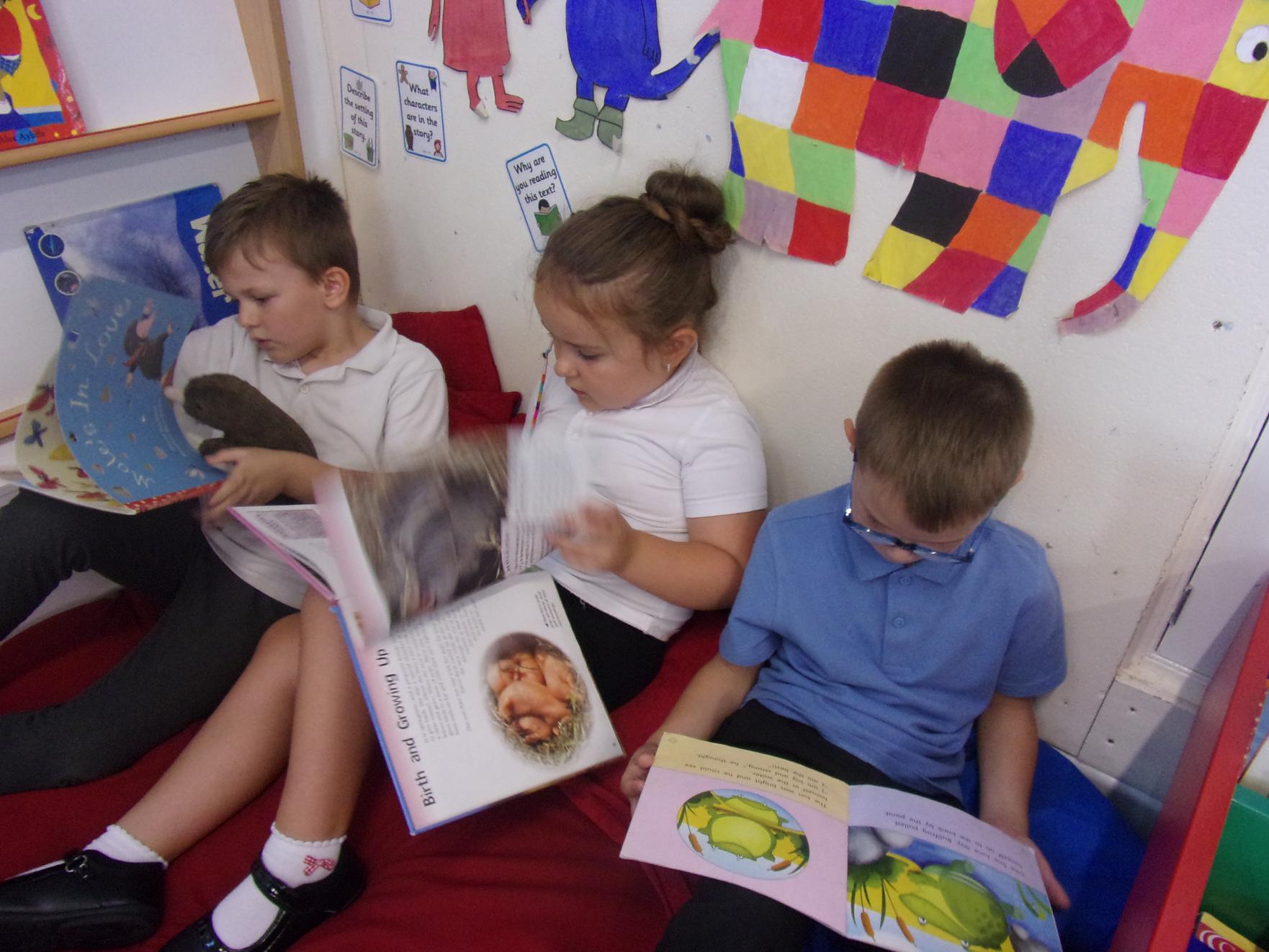
-One of our favourite times in the day is our 'We Love to Read' time. This is a dedicated time each day that is given to reading, where children are able to enjoy a book of their choice with their friends.



World Book Day
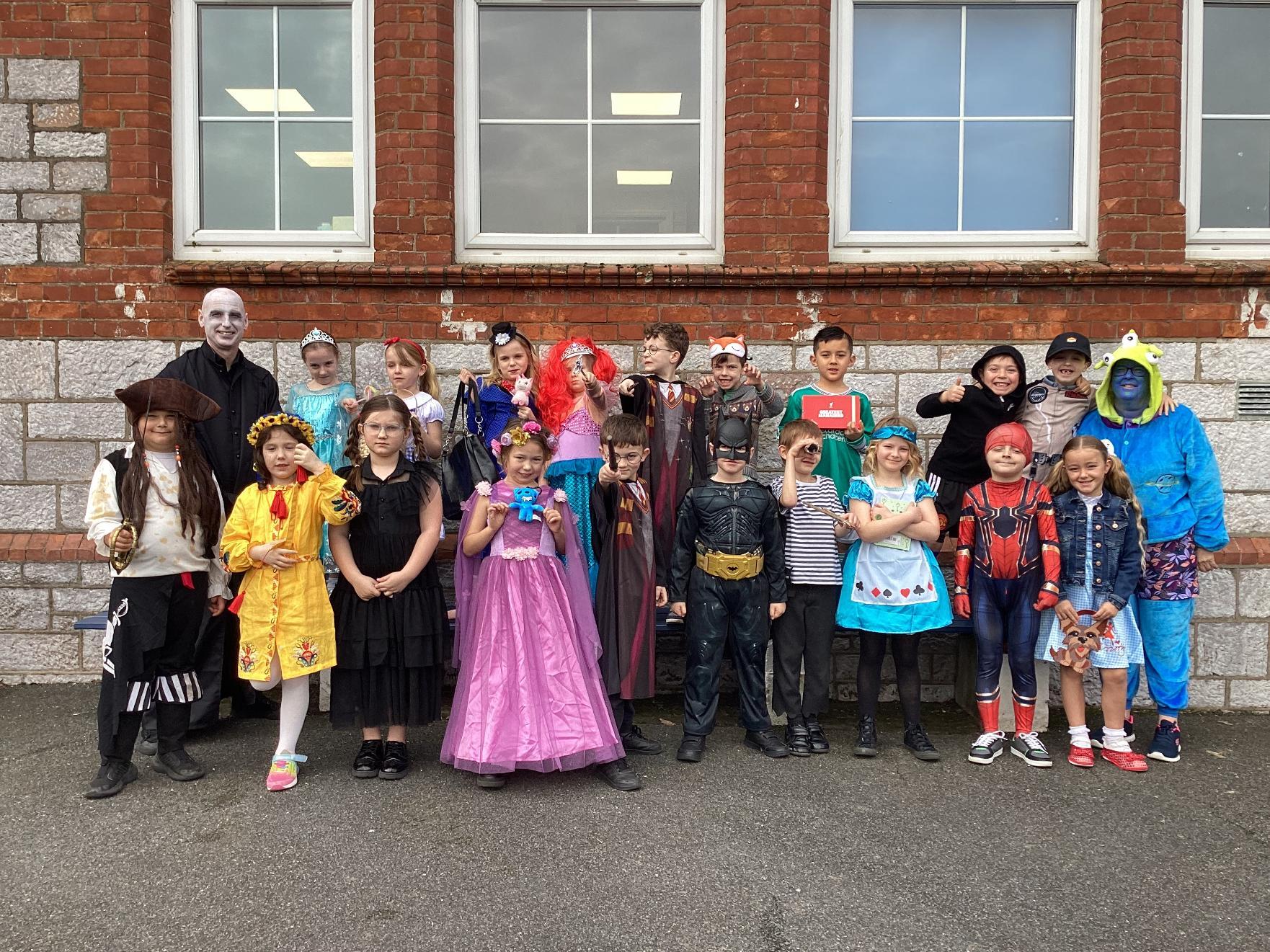
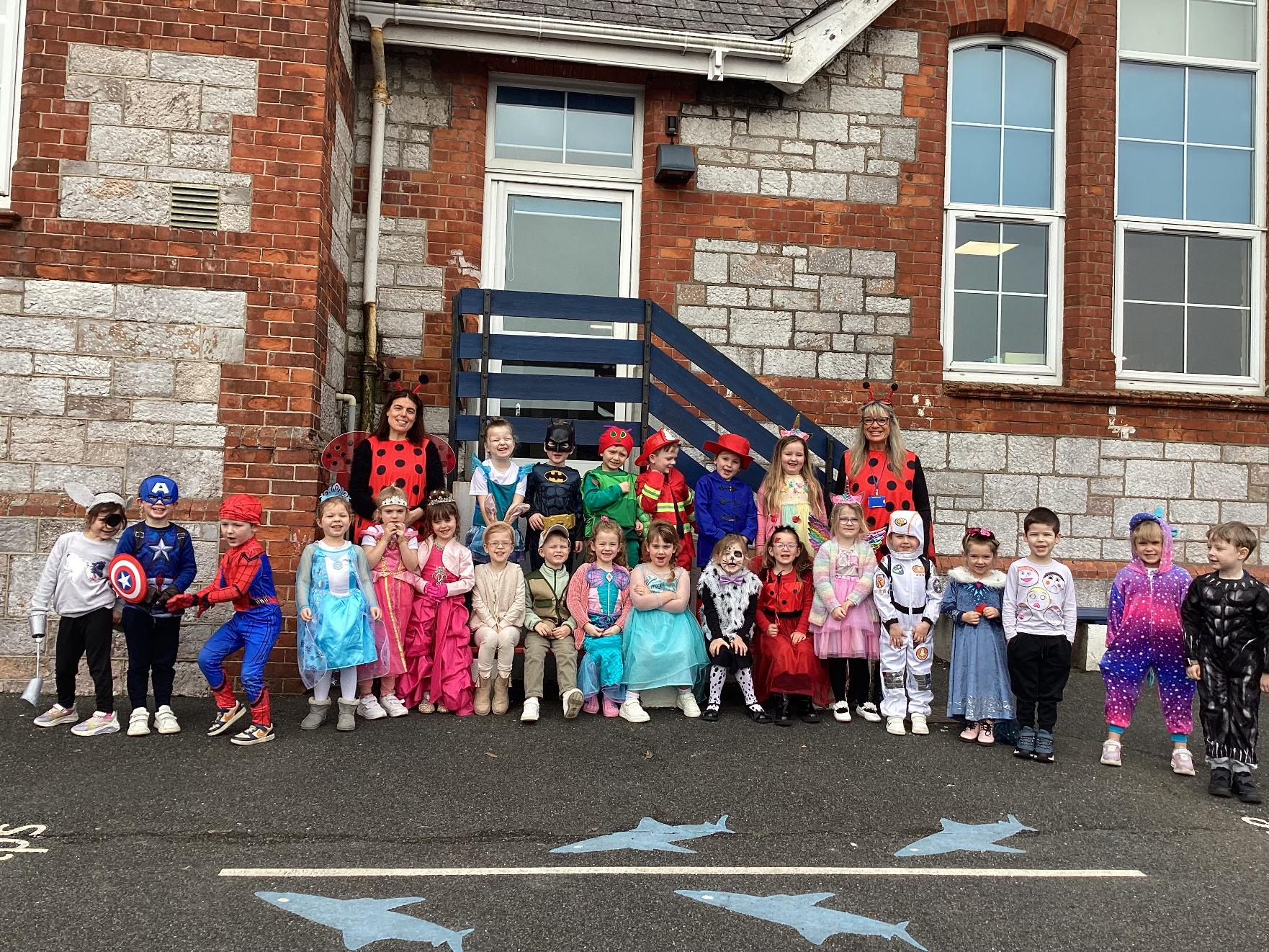
We love to celebrate books and a love of reading with our children on World Book Day.








Writing
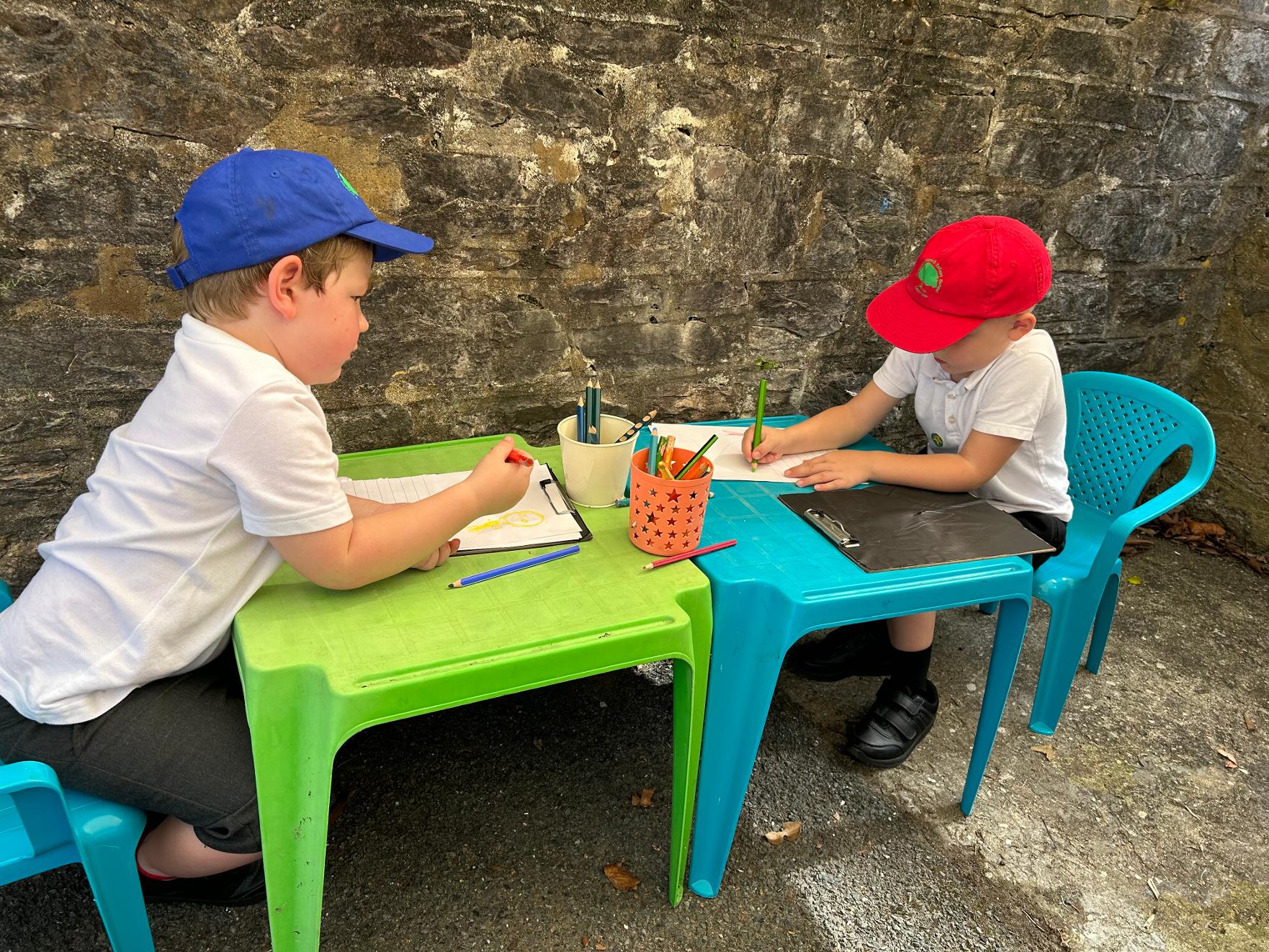
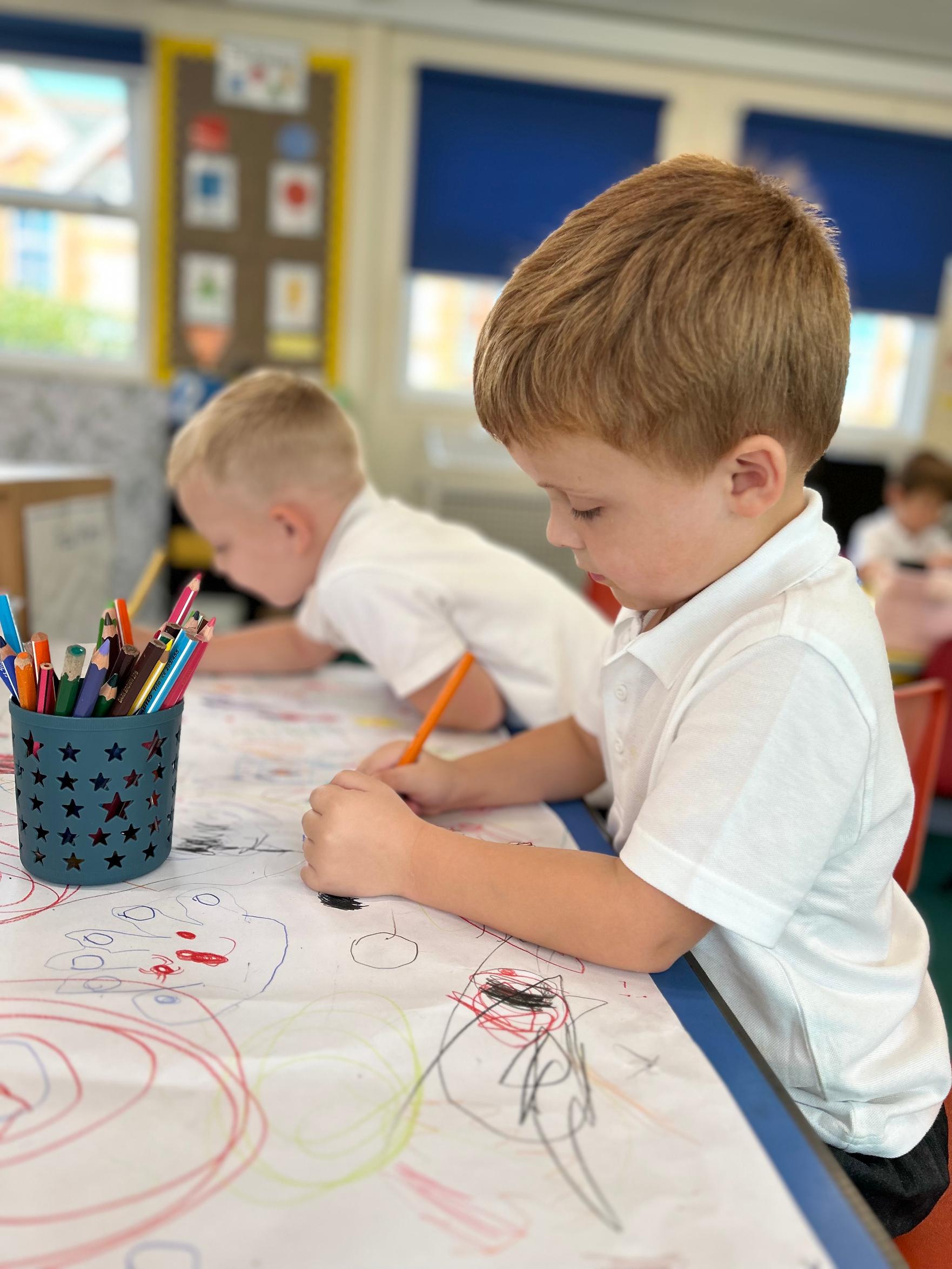
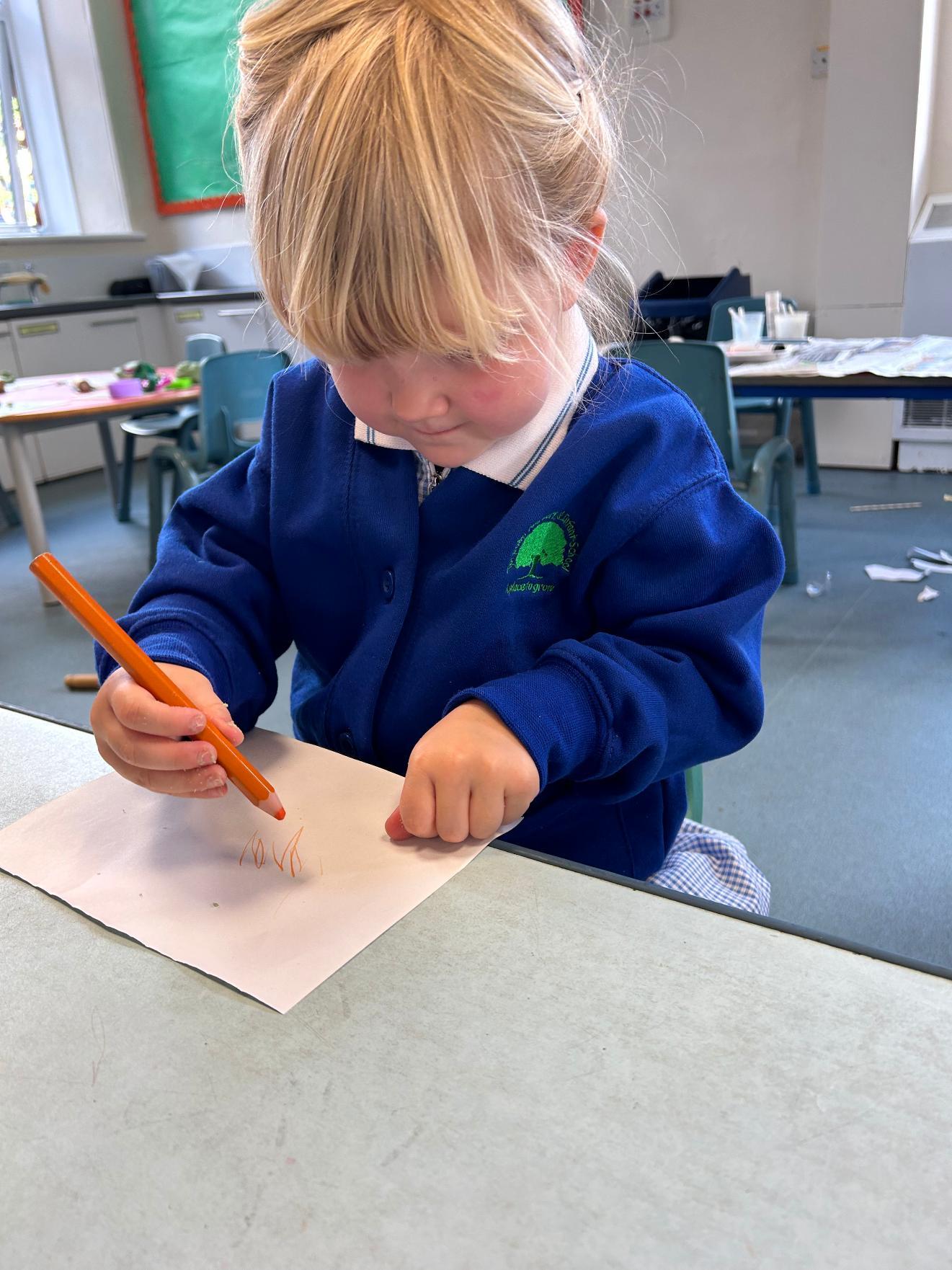
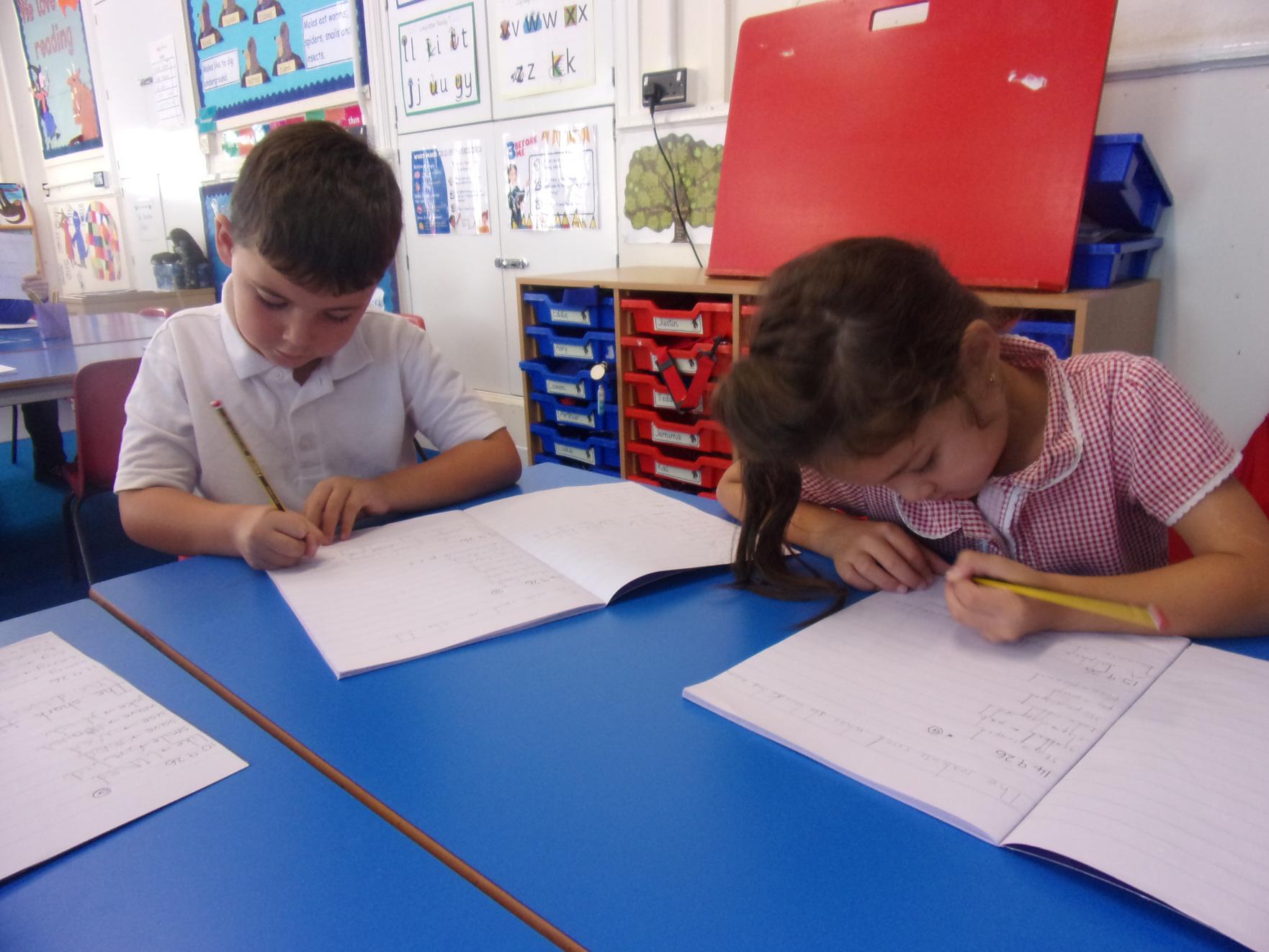
Writing is a crucial part of our curriculum and all children from Foundation Stage to Year 2 are provided with many opportunities to develop and apply their writing skills across the curriculum in a variety of ways. Early writing is encouraged through mark making opportunities in EYFS, both indoors and outdoors, and each classroom has designated writing areas where this enthusiasm for writing can be encouraged.
As part of our writing curriculum we also ensure that time is spent on supporting children to make links between phonics, reading and writing and endeavour for all children to acquire a growing vocabulary, solid understanding of grammar and the ability to spell new words effectively choosing and applying spelling patterns and rules that have been taught.
We are inclusive of all children by providing the appropriate scaffolding, support and writing tools children need to succesfully progress through the writing curriculum. All staff have high expectations and nurture a culture where children are encouraged to take pride in the presentation of their writing. All children are challenged and encouraged to take risks and view mistakes as a positive part of the learning process.
We have a clear and consistent approach to teaching writing. We know that immersion in reading, talk and preparation for writing is essential to the writing development process. Writing is planned so that children can follow the process through incorporating modelling, scaffolding, independence, and producing a final draft.
The writing sequences attached below show the sequence in which writing is taught in Key Stage One.
- Writing Sequence Year 2 Summer 2 Healthy Me Recount [pdf 359KB]
- Writing Sequence Year 2 Summer 2 Healthy Me Letter [pdf 259KB]
- Writing Sequence Year 2 Summer 1 Space Character Description [pdf 244KB]
- Writing Sequence Year 2 Spring 2 Pirates Story [pdf 362KB]
- Writing Sequence Year 2 Spring 1 Engineering Instructions [pdf 286KB]
- Writing Sequence Year 2 Autum 2 Polar Riddle [pdf 274KB]
- Writing Sequence Year 2 Autum 1 Rainbow Fish Diary [pdf 349KB]
- Writing Sequence Year 1 Summer 2 Super Me Poem [pdf 212KB]
- Writing Sequence Year 1 Summer 2 Super Me Letter [pdf 197KB]
- Writing Sequence Year 1 Summer 1 South America Story [pdf 257KB]
- Writing Sequence Year 1 Spring 2 Kings, Queens and Castles Instructions [pdf 250KB]
- Writing Sequence Year 1 Spring 1 London Factsheet [pdf 338KB]
- Writing Sequence Year 1 Autumn 2 Torpoint Recount [pdf 257KB]
- Writing Sequence Year 1 Autumn 1 Elmer Riddle [pdf 229KB]
Speaking and Listening
Through the delivery of a creative curriculum children are given frequent opportunities to develop their speaking and listening skills from Nursery through to Year 2.
From when the children enter school they are involved in activities where they are encouraged to develop confidence in speaking to a group and to listen to others. We develop confident speakers and good listeners through a variety of activities including small group work, paired work, the opportunities to take part in whole school assemblies, whole school performances, drama, roleplay, and through regular reciting of rhymes and poems.