Design Technology
At Torpoint Nursery and Infant School, Design and Technology is a inspiring, rigorous and practical subject. Using creativity and imagination, children design and make products that solve real and relevant problems within a variety of contexts, considering their own and others’ needs, wants and values. They acquire a broad range of subject knowledge and draw on disciplines such as mathematics, science, engineering, computing and art. Children learn how to take risks, becoming resourceful, innovative, enterprising and capable citizens.
Through our Design and Technology Curriculum we:
- Build on the child’s natural curiosity, inventiveness and wonder to help them make sense of the world around them.
- Teach the skills needed to answer questions and solve problems using investigative methods and other practical techniques.
- Guide children through the process of investigating, designing, making and evaluating.
- Enable children to make links to other areas of the curriculum.
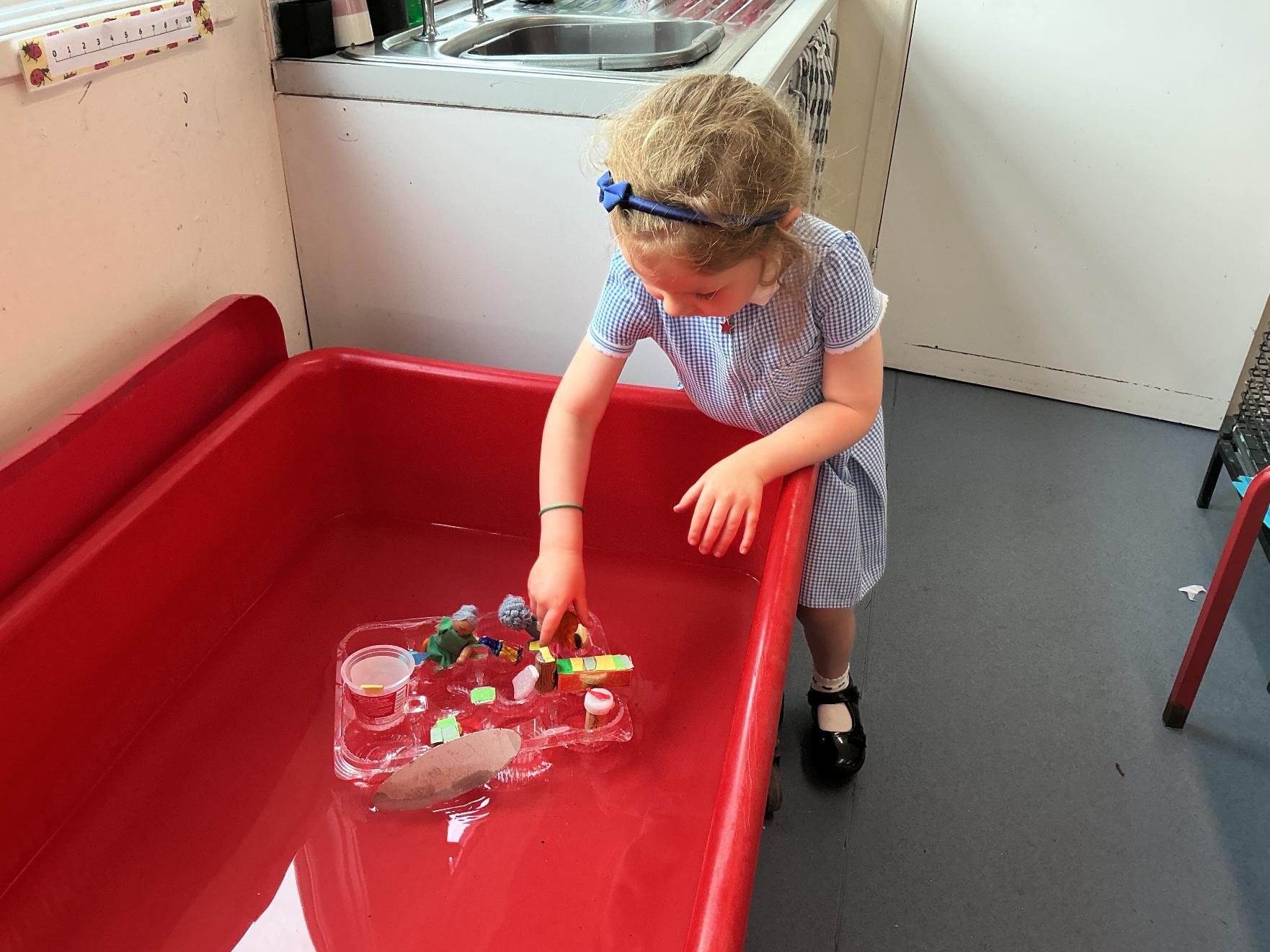
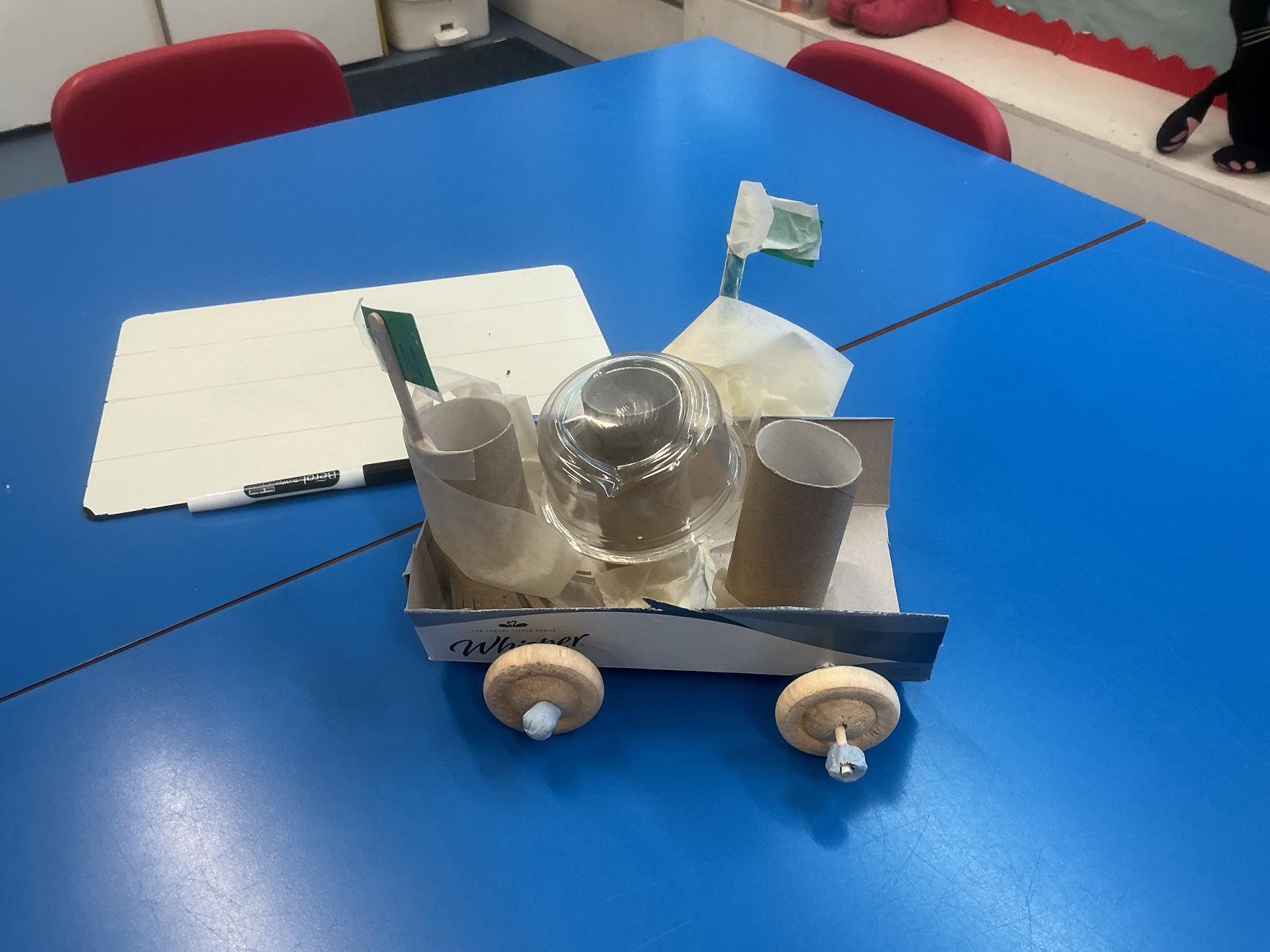
Teaching and learning
Teachers ensure that all children will meet learning objectives in the Design and Technology (DT) Programme of Study, which encompasses objectives from the KS1 National Curriculum, through a discrete or specific approach to teaching and learning, as well as through cross-curricular learning opportunities as part of our ACHIEVE curriculum.
In every classroom, you will see children:
- creating and experimenting to design new products
-
being problem solvers, designing to solve problems in the real world
-
using their expertise to evaluate and modify designs
-
learning and applying practical and technical skills
DT within EYFS is covered within the specific strands of learning: ‘Creating with Materials’ and ‘Being Imaginative and Expressive’ and 'fine motor skills'.
In Key Stage One, teachers ensure that the skills children have acquired in EYFS are built upon and utilised to enable children to gain further skills and new knowledge.
Children will be taught to:
- design and make purposeful and appealing products, following design criteria
- select and use a range of tools and materials to cut, join, shape and finish products
- explore and evaluate existing products
- develop technical knowledge to include; structures, mechanism, food technology and textiles.
Our DT curriculum prepares our children to participate in tomorrow’s rapidly changing technologies. They learn to think creatively and become autonomous and creative problem solvers, both independently and within group situations.

Assessment
Progress is tracked through the school’s comprehensive assessment documents which have specific end points that the children are assessed against, in the form of ‘I can’ statements. These’ I can’ statements link directly to what has been taught in the Programme of Study.
Children need to demonstrate that they have achieved the statements within their independent work, over time and in a range of contexts.
After School Clubs
Children are able to attend an STEM focussed After School Club and a cooking After School Club which runs for 5 weeks every half-term. This club, further develops children's love of DT, where they have the opportunity to learn new skills to create individual and group designs and products.
Celebrating achievements
Children's designs and creations are celebrated throughout the school; this helps children to foster a sense of achievement and pride in their work.

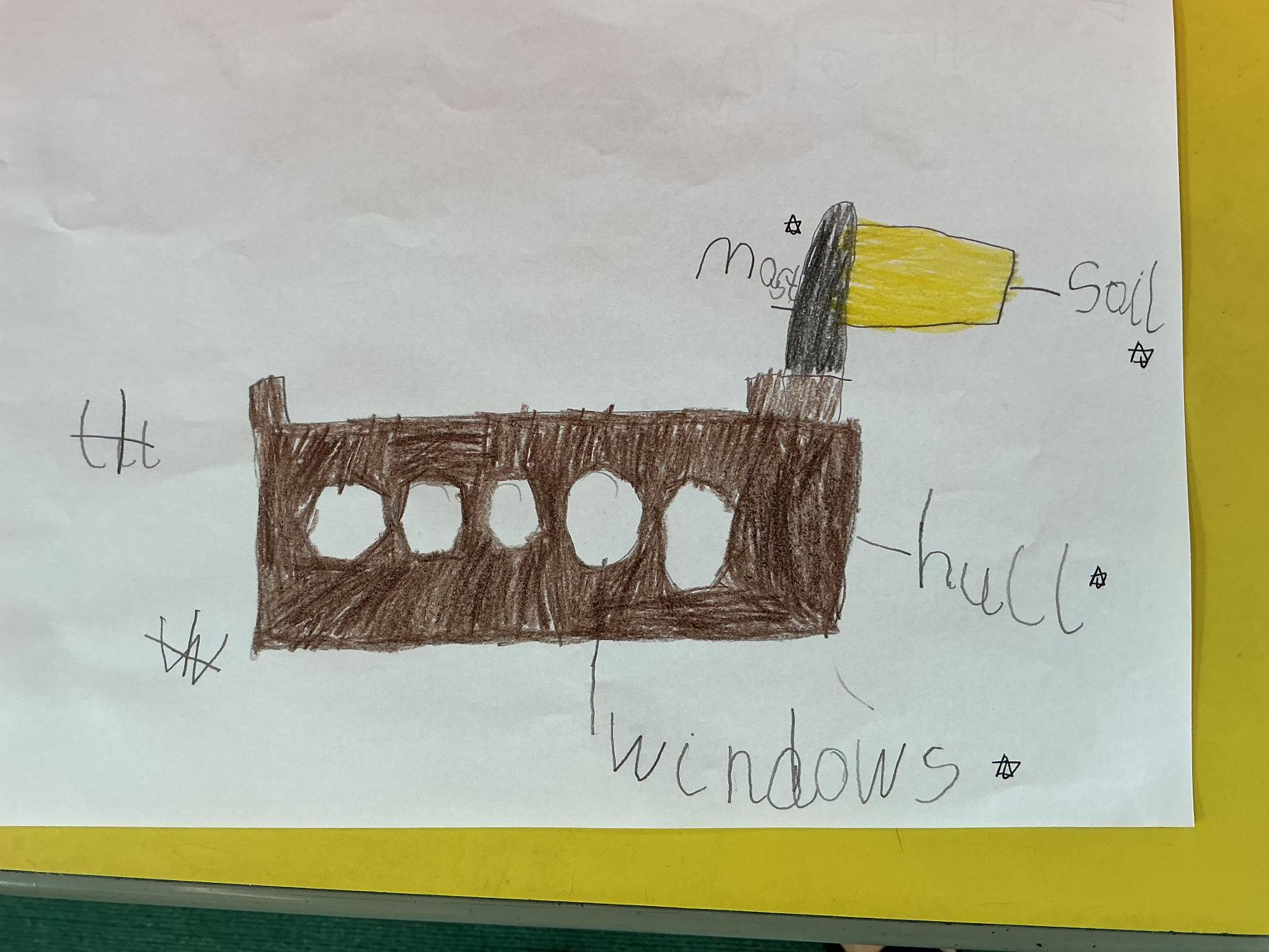
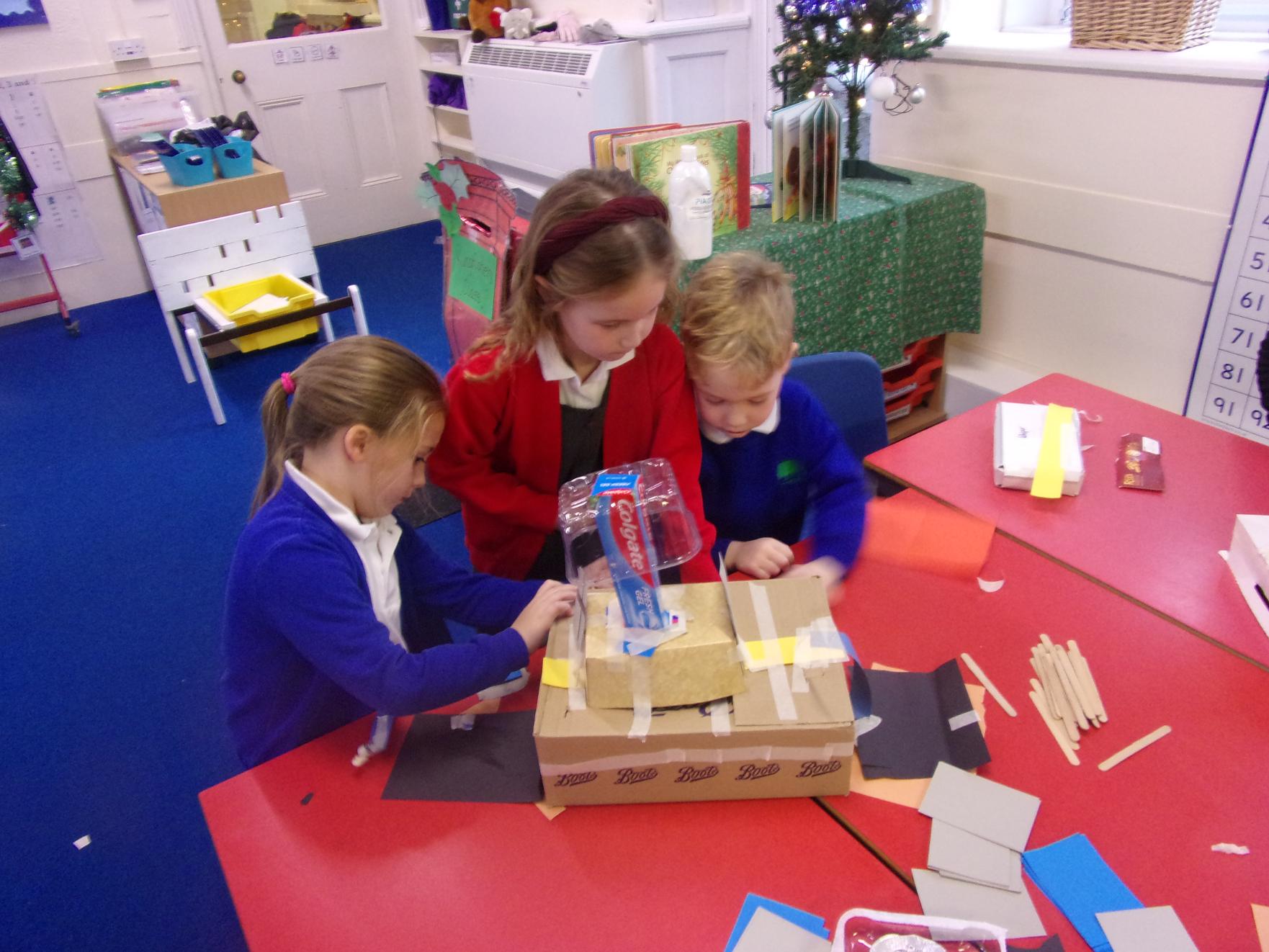
Our Design Technology curriculum ensures that children develop into enthusiastic, motivated and independent learners with a real love of learning. A range of exciting and motivating learning opportunities enable the children to become confident learners who are able to use the practical skills they have been taught to solve problems to design and make a range of products for different purposes.
Our children understand the importance of investigating and disassembling and use this knowledge to inform their designs and, in turn, thier final products. Our children are encouraged to apply their learning from other curriculum areas, including maths and writing, and they are able to evaluate the success of their products using design criteria.
Through these high quality learning opportunities, children develop an appreciation of the contribution Design and Technology makes to all aspects of everyday life and the world around them. Our curriculum ensures that children are given opportunities to design and make in a range of contexts and therefore they are able to apply these skills as they grow and choose careers later in life.

|
DT Policy 2026-2027 | [doc 92KB] |

|

|
DT Curriculum Overview | [pdf 147KB] |
|